


Multitenant, cloud-based, electric vehicle charging management system that allows the control of private and publicly accessible charging infrastructure. Built for comprehensive market coverage including demands of heavy-duty commercial fleets, depot charging, and MCS-compatible infrastructure.
- Wide Asset Management including High-power infrastructures
- OCPP & OCPI protocol support for a seamless integration
- Operations control: Dynamic load balancing & energy management
- Multi-brand AI smart charging specially designed for fleet optimization
MORE INFORMATION
MORE INFORMATION

German Galia
Senior Engineer, Digital Business


Asset management
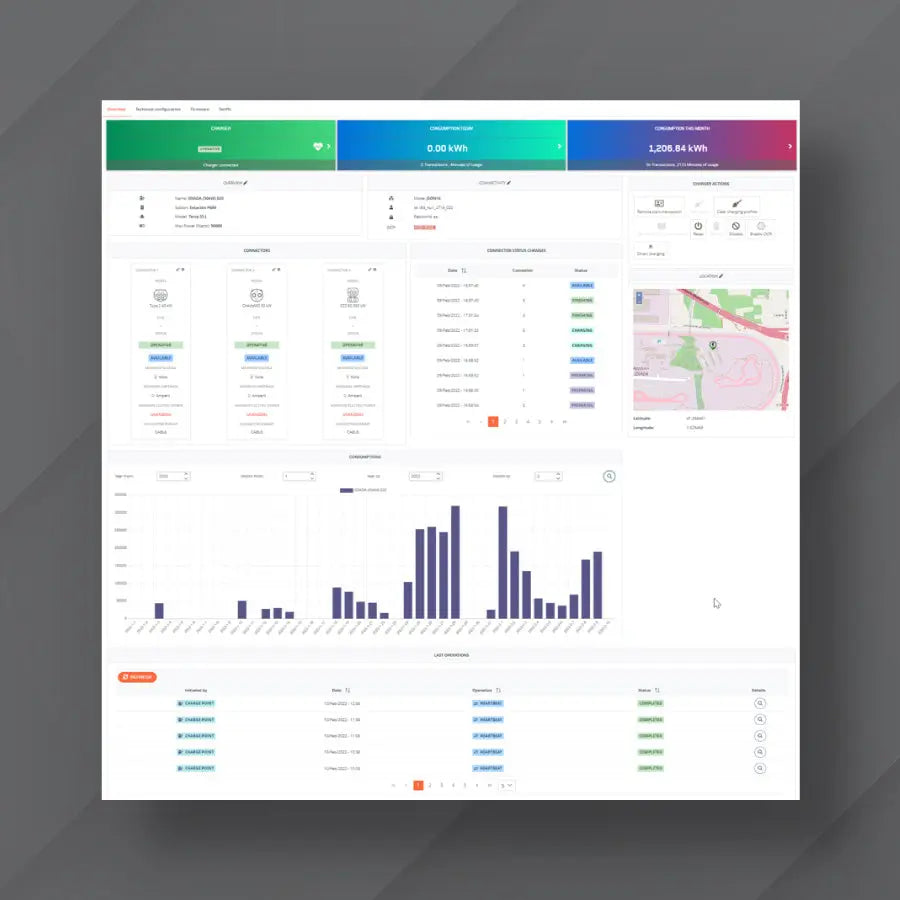
Add charging stations in a comprehensive manner using the auto-discovery function and an extensive connector and charger catalogue. Organize your infrastructure on a global scale and administer system users and roles. Manage depot-scale high-power charging infrastructure with support for MCS, CCS, and CHAdeMO protocols designed for megawatt charging operations. Automated discovery and onboarding of multi-brand chargers, centralized control across multiple depot locations, and role-based access management for teams.


Seamless integration
Take advantage of the OCPI 2.2 compliance and OCPP, and ISO 15118-20 standards compliance for a rapid integration with EV Roaming network and obtain full access to standardized information. Make the most of the V2G plug and charge entities using the latest OCPP protocol. Pre-built API connectors for leading fleet management systems (FMS), transportation management systems (TMS), and enterprise ERP platforms.


Operations control
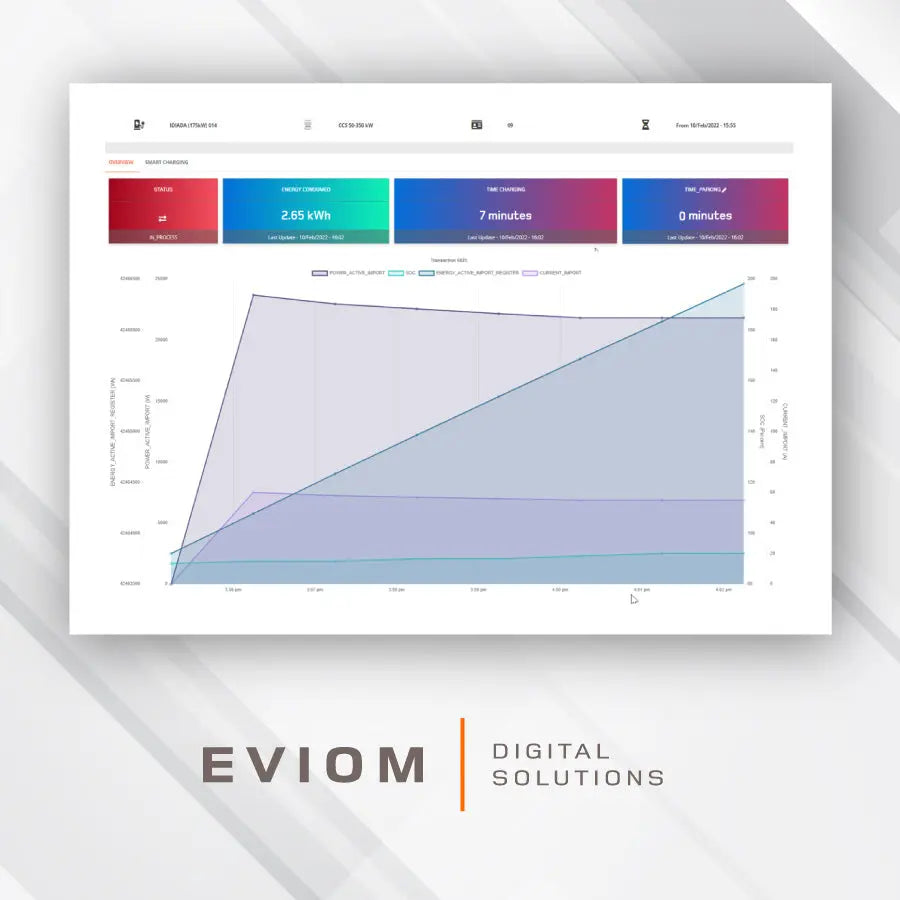
Visualize your data in real time, report energy consumption and ensure service continuity with an off-line authorization management. Allocate tariffs and prepare billing data for expanded analytics and invoicing process using standard communication or a secured API REST. Advanced analytics optimize charging schedules based on electricity rates, grid capacity, and vehicle departure times reducing operational costs while ensuring fleet readiness. Offline authorization management ensures continuity during connectivity interruptions.


Multi-brand Smart Charging
Optimal operations require managing efficiently the power supplied from the electric grid. Have the most efficient multi-brand electric vehicle charging application with our Smart Charging functions and configure your power distribution by station with business-oriented settings.
Prioritize charging based on vehicle departure schedules, battery state-of-charge, and operational requirements. Works seamlessly with multi-brand infrastructure.

-

“All-in-one” solution
for electromobility managers and service providers
-

Multi-brand high-power charger management
with technical support for depot operations
-

Reduced energy costs
through dynamic AI load management and peak demand optimization
-

Comprehensive power charging operations (>1 MW)
Manage high-power chargers across multiple depot locations from single platform
Ready to learn more about our product?
German Galia
Senior Engineer, Digital BusinessEVIOM (Electromobility Management) - FAQs
What information does EVIOM provide on the charging process of an electric vehicle?
EVIOM is a charging infrastructure management system for electric vehicle and mobility service users that monitors charging station networks, providing comprehensive information about the charging process, such as charging time, power and energy supplied, or voltage.
In addition, the EVIOM system’s administrator can check the vehicle's battery charging percentage at any time, control the charging process remotely (start/stop charging), authorize those users that can use the service, as well as identify the charging points in need of maintenance.
How does the EVIOM electric vehicle charging infrastructure management application work?
The charger network is connected to the EVIOM cloud server and, through OCPP protocol communications data, is sent bidirectionally between the server and the charger network.
All data is automatically recorded by the server, which processes and executes it, providing overall control of the entire charging station network.
What kind of data does the EVIOM electric vehicle charging infrastructure management application handle?
The EVIOM electric vehicle charging infrastructure management system handles user data, which is usually identified with RFID cards, or mobile APP, as well as data and information on the charging processes carried out by each charging point (time, energy and power supplied, vehicle, etc.).
EVIOM also manages all the necessary information on each of the charging points that make up the service network. Among the most important information, EVIOM identifies the number of connectors of each charging point, as well as the maximum power it can offer, the exact location by coordinates of each of the charging points, the model and manufacturer, the firmware version, and the last time it was updated.
What makes EVIOM suitable for high-power charging operations above 1 MW?
EVIOM is engineered specifically for the demands of megawatt-scale charging operations. Unlike platforms designed for light-duty vehicle charging, EVIOM handles the complexities specific to high-power infrastructure: advanced thermal management for sustained high-current charging, dynamic load balancing across depot-scale installations, predictive maintenance for critical uptime requirements, and real-time power optimization to manage peak demand. The platform is designed for MCS (Megawatt Charging System) protocol compatibility and provides the operational control that heavy-duty fleet operations require.
Does EVIOM support MCS (Megawatt Charging System) and other high-power charging standards?
EVIOM is designed for MCS (Megawatt Charging System) compatibility for high-power charging operations—critical for Class 7-8 electric trucks, transit buses, and heavy equipment requiring rapid charging. The platform is also compatible with CCS, CHAdeMO, and GB/T standards, allowing mixed-fleet operations. Built on OCPP and OCPI protocols with ISO 15118-20 support for Dynamic AI load balancer and V2G capabilities, EVIOM is designed to adapt as heavy-duty charging standards continue to evolve.
How does EVIOM help reduce energy costs for depot charging operations?
EVIOM's dynamic energy management system optimizes power distribution in real-time based on time-of-use electricity rates, grid demand response signals, vehicle charging requirements, and available site capacity. The platform can shift charging to off-peak hours when operationally feasible, implements intelligent load balancing to manage peak demand charges, and prioritizes charging based on vehicle departure schedules. Additional operational efficiencies come from predictive maintenance capabilities that help extend charger lifespan and optional participation in utility demand response programs.
What types of fleets and operations is EVIOM designed for?
EVIOM is engineered for enterprise heavy-duty operations including: electric truck depot charging (Class 7-8 trucks for logistics and distribution), transit and municipal fleets (electric bus depots and public transportation), industrial and mining equipment (off-highway vehicles requiring high-power charging), and public high-power charging networks for commercial vehicles. The platform is designed to manage depot-scale installations with multiple high-power chargers serving commercial fleet operations.
What operational features does EVIOM provide for depot charging?
EVIOM provides comprehensive operational control for depot charging including: predictive maintenance algorithms that provide advance warnings of potential charger issues, automated protocols for service continuity during equipment maintenance, redundant cloud infrastructure to prevent operational disruptions, and real-time diagnostics dashboards giving depot operators complete visibility into infrastructure health. Technical support is available to assist with mission-critical operations.